

Kittu Virus Studio
0
loading...

Myths about drinking alcohol: MedlinePlus Medical Encyclopedia

The consequences include mental disorders, impaired memory, and lack of impulse control. When you find the right tools and support for you, it’s possible to recover from alcohol use disorder. For ways to seek support, you can visit Psych Central’s guide to mental health help. One nontraditional form of treatment for alcohol use disorder is moderation management.

Rob Gronkowski Got Hit by a Flying Can of Beer During Victory Parade

What is a healthy range of drinking for men and women age 65 years or older? Experts recommend no more than 3 drinks in a single day or no more than a total of 7 drinks a week. A drink is defined as 12 fluid ounces (oz) or 355 milliliter (mL) of beer, 5 fluid oz (148 mL) of wine, or 1½ fluid oz (45 mL) of liquor. We know much more about the effects of alcohol today than in the past. Learn the facts about alcohol use so you can make healthy decisions.

Before Your Deductible Resets, Invest in Your Recovery

If you want to have wine and beer (in whatever order you want), you can. Many people may believe the myth that loading up on bread, heavy foods, or even drinking coffee will lower your blood alcohol level. The truth is that time passing is the only way for alcohol to wear off. Drinking responsibly doesn’t just come down to the amount you consume, but also how you consume it. You may hear a lot of tales around how to make drinking “easier” or “healthier,” but in reality, there aren’t any shortcuts or magic tricks out there. That’s why it’s best to consume alcohol safely and in moderation — without buying into any myths.

For Loved Ones: How to Support a Loved One’s Mental Health

Click each of the myths below to show the facts about alcohol. Speaking of wine, here is a great wine refrigerator you should check out! But it is a great accessory for a living room, especially when you host parties or gatherings. After the initial high of the first few days off the booze, when the first flush of motivation starts to wear thin, you might start to feel cravings for a drink. Alcohol use disorder isn’t the only alcohol-related condition that could cause harm. An Australian longitudinal study conducted between 2010 and 2016 concluded that there was no evidence https://ballarte.com/alcohol-abuse-vs-dependence-understanding-the-key/ behind the idea that parents supplying underage children with alcohol reduces alcohol-related harms.

what are some common myths and facts about alcohol

Alcohol Is Good for Your Heart

Understanding the truths about alcoholconsumption is crucial for making informed decisions about drinking. By debunking these common myths, we can foster a more accurate understanding of alcohol’s effects on our bodies and lives. Generally, people with higher body weights require more alcohol to feel its Alcohol Use Disorder effects compared to those with lower body weights. Instead, alcohol can damage the ends of neurons, called dendrites, which make it difficult for neurons to relay messages to one another. However, this damage is often reversible if a person stops drinking or significantly reduces their alcohol consumption.

Consider Outpatient Treatment

what are some common myths and facts about alcohol

You’ll undoubtedly be more comfortable, but there’s also an excellent possibility that any remaining hangover symptoms will vanish. Since they have extra blood to reduce the alcohol, they will have a lower blood alcohol level than a female when an identical amount of alcohol. Men absorb alcohol faster than other variables, but alcohol affects men and women differently.
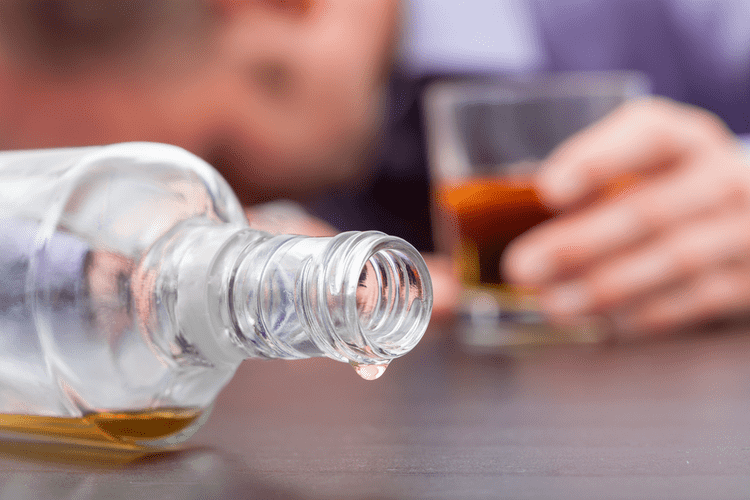
what are some common myths and facts about alcohol

You don’t need to be an arachnophobe to be creeped out by the idea that you unknowingly swallow eight spiders in your sleep ever year on average. So, while it’s plausible that you could swallow a spider in your sleep, it’s not likely, nor is there any factual evidence that you gulp down eight a year. Substance use treatment should be based on evidence-based practices and consider each individual’s medical history, substance use patterns, co-occurring disorders, and personal preferences.

You Truly Have To Respect Someone Who Doesn’t Get Drunk

Research shows that alcohol is linked to aggressiveness, an increased likelihood of disclosing personal or sensitive information, and engaging in detrimental or dangerous behaviors. However, while reduced inhibitions might make you more talkative and outgoing, it doesn’t necessarily mean you’re socializing in the healthiest way. Just what are some common myths and facts about alcohol as alcohol may lull you into sleep only to disrupt it in the long run, the initial effects can trick your brain into thinking it’s relaxing—but only at first.


SMACK Definition & Meaning

Sharing needles and other drug paraphernalia can facilitate the spread of these blood-borne infections, creating public health crises within communities. Regular use of heroin can lead to the development of tolerance, wherein users require increasing doses to achieve the desired effects. On the streets, smack is known by a myriad of names, including dope, junk, H, skag, horse, and brown sugar, among others. Heroin typically appears as a white or brown powder or as a sticky black substance known as black tar heroin.

Why is ‘-ed’ sometimes pronounced at the end of a word?

Mom and Dad are not going to reach out from beyond the grave to smack some sense into people. Selecting Isak ahead of him lacked logic, smacking of a manager groping for answers, almost trying to get an expensive signing to play himself into the team. Susan Pratt, a nurse who is also president of a union representing nurses in Toledo, Ohio, called the move “a smack in the face.” Add smack to one of your lists below, or create a new one. To add smack to a word list please sign up or log in.

Q1: What are the signs and symptoms of heroin addiction?

In conclusion, ‘smack’ is a slang term for heroin, a highly addictive and dangerous opioid drug. The slang term ‘smack’ has been used for decades in reference to heroin, and is common among drug users, dealers, and law enforcement officials. Cobain’s battle with heroin illuminates the destructive nature of the drug and its impact on individuals and what is smack drugs their loved ones.

The Health Impact of Smack

Junkie sniffing heroin line with a rolled up dollar bill from a smart phone screen Addicted young woman is sniffing lines of drugs. A dealers cash from selling illegal drugs. No one wants to get smacked in real life! Now go forth and hit your friends with that perfectly timed smack talk (the good kind). At the end of the day, “smack meaning slang” is all about energetic, often playful hits—whether with words, comebacks, or just good old-fashioned fun.

Ways to Help a Person Receive the Treatment They Need

Oh man, the internet has taken “smack” beyond what anyone expected. So you want to be that cool friend who drops “smack” correctly? Kinda like “I’m about to smack that insult on you” or “He’s giving me that smack talk.” Alright, so you’re scrolling through your DMs or maybe lurking on Twitter and suddenly you see someone drop the word “smack” in a sentence—and you’re sitting there like, “Wait, what does smack mean slang? Definition of smack verb from the Oxford Advanced Learner’s Dictionary And it sure smacks of a cover-up, if you just look at it.

Related Words

By raising awareness and fostering empathy and understanding, we can work towards a future where individuals struggling with addiction receive the support and resources they need. Its a potent opioid drug with devastating effects on individuals, families, and communities. Addicted young woman is sniffing lines of drugs.Addicted young woman is sniffing lines of drugs.

Browse Nearby Words

One notable case study involves the musician Kurt Cobain, lead singer of the band Nirvana, who struggled with heroin addiction before his death in 1994. Heroin, or smack, is a potent illegal drug that is derived from morphine, a natural substance found in the seed pod of the opium poppy plant. The term ‘smack’ is derived from the sound made when injecting heroin into a vein. Smack is a term used as slang for the illegal drug heroin.

Despite the formidable challenges posed by heroin addiction, effective treatment options are available to support individuals on the path to recovery. Injection drug use, a common method of consuming smack, poses a significant risk of transmitting infectious diseases such as HIV/AIDS and hepatitis B and C. Smack, commonly known as heroin, is a powerful opioid drug derived from morphine. Comprehensive approaches that combine prevention, treatment, harm reduction, and community support are essential in combating heroin addiction. Also known as heroin, smack is a potent opioid notorious for its addictive properties and devastating health effects.

smack American Dictionary

Street heroin is usually brownish white because it is diluted or “cut” with impurities, meaning each dose is different. Heroin is an addictive drug with painkilling properties processed from morphine, a naturally occurring substance from the Asian opium poppy plant. By raising awareness about the dangers of heroin, we can work towards preventing further harm and saving lives.

Yes, heroin addiction can be treated, but it often requires comprehensive and individualized approaches. The signs of heroin addiction can vary but often include behavioural changes such as secretive behaviour, social withdrawal, neglect of responsibilities, and financial difficulties. Additionally, holistic approaches that prioritize physical well-being, mental health, vocational training, and social reintegration empower individuals to rebuild their lives free from the grip of heroin addiction.

In the world of illegal and recreational drugs, smack holds a notorious reputation. Young woman with drug addiction on dark background. Addict with euro bill for snorting, drug abuse concept close-up crack, heroin When taking heroin, users risk taking an overdose, which can lead to coma and death through respiratory depression. Abruptly quitting heroin use leads to moderate/severe withdrawal symptoms such as cramps, diarrhea, tremors, panic, running nose, chills and sweats. Furthermore, heroin is very addictive, and development of tolerance and physical and psychological dependence occurs rapidly.

Ten More Words from Taylor Swift Songs

The opioid epidemic has caused a surge in heroin-related deaths, with over 15,000 reported in 2018 alone. It is typically sold as a white or brown powder, or as a black sticky substance known as ‘black tar heroin’. Educate yourself about addiction, set boundaries, and consider seeking support from addiction specialists or support groups for families and friends of individuals with addiction. Alongside medication, behavioural therapies, counselling, and support groups play integral roles in addressing the psychological, social, and emotional aspects of addiction. The administration of naloxone, an opioid antagonist, is crucial in reversing the effects of heroin overdose and saving lives. Smack overdose is a grave concern, with the risk significantly heightened by the variability in purity and potency of street heroin.

Celebrities who have died from addiction

He used heroin as a teenager and into his late twenties, but says he kicked the habit in 1983—a year before his brother died Drug rehabilitation of a drug overdose, and a decade before Nuzzi was born. Musicians face intense environmental pressures, including performance anxiety, loneliness from touring, and constant media scrutiny. Many also enter the industry with preexisting mental health issues, which can lead them to self-medicate with drugs or alcohol.

Anthony Bourdain’s toxicology report showed little alcohol, but rumours persist

While we may be more accustomed to celebrities dying to heroin and other drugs, many have died due to an addiction to alcohol. Alcoholism is more than simply a lack of self control; today, it is considered an all out addictive disorder. The death of the 39-year old actress was caused by an overdose of benzodiazepines and chloral hydrate. According to reports, the death was caused by a combination of cocaine, heroin, and other drugs that the actor took.

Inside Cynthia Erivo’s shock estrangement from her family — and the manager she scared off with ‘blackout rage’

If you or a loved one is struggling with substance abuse, help is available. Hopefully, Mac Miller’s death served as a warning to recreational users regarding illicit prescription drugs from untrusted sources. An autopsy was performed in a nearby funeral home by a “Russian intern.” He noted needle marks on Hank’s arms and multiple bruises. Alcohol was found in his blood but no other drugs (because they didn’t look for them).

Want more celebrity and pop culture news?

celebrities that died from alcohol and drugs

The Coroner’s report confirmed that Chris died due to seizure caused by a cocaine overdose. The pioneer of Rock & Rock, Ike Turner, tragically fell victim to drug overdose. Additionally, high blood pressure and emphysema were other contributing factors which claimed his life. Oxycodone, hydrocodone, diazepam, temazepam, alprazolam, and doxylamine caused ‘acute intoxication’ which took Ledger’s life. This lethal mixture of https://ecosoberhouse.com/ prescription drugs was later confirmed officially to be the death cause of Heath Ledger. Including Jack Kerouac, Billie Holiday, Richard Burton, Peter Cook, and Errol Flynn, this list shows the celebrities who, for whatever reason, couldn’t fight the addiction and lost their lives to the disease.

celebrities that died from alcohol and drugs

She heavily celebrities who died from alcohol used methamphetamine, heroin, and alcohol as a form of self-medication. Her death from a heroin overdose in October 1970 cemented her status as a rock legend and a cautionary tale about the dangers of addiction. According to a 2019 report by Record Union, 73% of independent musicians experience symptoms of mental illness, a factor that often intertwines with the question, ‘What female singer was addicted to drugs?

No level of alcohol consumption is safe for our health

Consider talking with someone who has had a problem with drinking but has stopped. Listen to relatives, friends or co-workers when they ask you to examine your drinking habits or to seek help. You might not recognize how much you drink or how many problems in your life are related to alcohol use. Because denial is common, you may feel like you don’t have a problem with drinking. This disorder also involves having to drink more to get the same effect or having withdrawal symptoms when you rapidly decrease or stop drinking.

Brief Intervention for Hazardous and Harmful Drinking (AUDIT)

The 2010 WHO Global strategy to reduce the harmful use of alcohol and the 2022 WHO Global action plan are the most comprehensive international alcohol policy documents, endorsed by WHO Member States, that provides guidance on reducing the harmful use of alcohol at all levels. WHO works with Member States and partners to prevent and reduce the harmful use of alcohol as a public health priority. The risks increase largely in a dose-dependent manner with the volume of alcohol consumed and with frequency of drinking, and exponentially with the amount consumed on a single occasion. Both the volume of lifetime alcohol use and a combination of context, frequency of alcohol consumption and amount consumed per occasion increase the risk of the wide range of health and social harms. Alcohol consumption contributes to 2.6 million deaths each year globally as well as to the disabilities and poor health of millions of people.

Disadvantaged and especially vulnerable populations have higher rates of alcohol-related death and hospitalization. This is particularly true for those in social environments with high visibility and societal influence, nationally and internationally, where alcohol frequently accompanies socializing. In many of today’s societies, alcoholic beverages are a routine part of the social landscape for many in the population. Alcohol is a toxic and psychoactive substance with dependence producing properties. You’ll soon start receiving the latest Mayo Clinic health information you requested in your inbox. If you are a Mayo Clinic patient, we will only use your protected health information as outlined in our Notice of Privacy Practices.

Regional Office for the Western Pacific

Early intervention can prevent alcohol-related problems in teens. Too much alcohol affects your speech, muscle coordination and vital centers of your brain. Alcohol use may begin in the teens, but alcohol use disorder occurs more frequently in the 20s and 30s, though it can start at any age.

But heavy drinking carries a much higher risk even for those without other health concerns. But good evidence shows that drinking high amounts of alcohol are clearly linked to health problems. The Global status report on alcohol and health and treatment of substance use disorders presents a comprehensive overview of alcohol consumption, alcohol-related… To combat this, WHO advocates for transparency in policy development, the exclusion of the alcohol industry from policy discussions, and the implementation of regulations to limit the industry’s influence on public health. A critical aspect of the Region’s approach is addressing the commercial determinants of health, particularly the influence of the alcohol industry on public health policy.

Landmark public health decisions by WHO on essential medicines for alcohol use disorders The European framework for action on alcohol, 2022–2025, adopted by all 53 Member States, uses the latest evidence to address alcohol-related harms through comprehensive, evidence-based policies and collaborative efforts. Alcohol is a toxic, psychoactive substance linked to over 200 diseases and conditions, including 7 types of cancer. Although it is well established that alcohol can cause cancer, this fact is still not widely known to the public in most countries. Disadvantaged and vulnerable populations have higher rates of alcohol-related death and hospitalization, as harms from a given amount and pattern of drinking are higher for poorer drinkers and their families than for richer drinkers in any given society. Globally, the WHO European Region has the highest alcohol consumption level and the highest proportion of drinkers in the population.

Risks start from the first drop

In the past, moderate drinking was thought to be linked with a lower risk of dying from heart disease and possibly diabetes. And drinking raises the risk of problems in the digestive system. For example, it may be used to define the risk of illness or injury based on the number of drinks a person has in a week. In the United States, moderate drinking for healthy adults is different for men and women. The evidence for moderate alcohol use in healthy adults is still being studied. Many people drink alcohol as a personal preference, during social activities, or as a part of cultural and religious practices.

In some situations, the risk of drinking any amount of alcohol is high. For men, heavy drinking means more than four drinks on any day or more than 14 drinks a week. For women, more than three drinks on any day or more than seven drinks a week is heavy drinking. Heavy drinking, including binge drinking, is a high-risk activity. For example, any amount of drinking increases the risk of breast cancer and colorectal cancer.

Mayo Clinic Press

Genetic, psychological, social and environmental factors can impact how drinking alcohol affects your body and behavior. If you’re concerned about someone who drinks too much, ask a professional experienced in alcohol treatment for advice on how to approach that person. If your pattern of drinking results in repeated significant distress and problems functioning in your daily life, you likely have alcohol use disorder. It also includes binge drinking — a pattern of drinking where a male has five or more drinks within two hours or a female has at least four drinks within two hours. Unhealthy alcohol use includes any alcohol use that puts your health or safety at risk or causes other alcohol-related problems. Alcohol use disorder includes a level of drinking that’s sometimes called alcoholism.

Global strategy to reduce the harmful use of alcohol

People who choose not to drink make that choice for the same reasons. More on alcohol

Charitable Care & Financial Assistance

An intervention from loved ones can help some people recognize and accept that they need professional help. Other ways to get help include talking with a mental health professional or seeking help from a support group such as Alcoholics Anonymous or a similar type of self-help group. Alcohol use disorder can include periods of being drunk (alcohol intoxication) and symptoms of withdrawal.

WHO response in the WHO European Region

Despite progress in reducing alcohol consumption and related harms, the Region continues to face significant challenges, including high rates of alcohol-related deaths, particularly from cancer. This drinking pattern is responsible for the majority of alcohol-attributable breast cancers in women, with the highest burden observed in countries of the European Union (EU). This regional workshop was planned to address the challenges of illicit tobacco trade and unrecorded alcohol consumption in the countries of the Region….

Sign up for free and stay up to date on research advancements, health tips, current health topics, and expertise on managing health. Be sure to ask your healthcare professional about what’s right for your health and safety. When taking care of children, avoid alcohol. Health agencies outside the U.S. may define one drink differently. Knowing your personal risk based on your habits can help you make the best decision for you.

Heavy drinking also may result in alcohol withdrawal symptoms. Binge drinking is behavior that raises blood alcohol levels to 0.08%. The definition what is an alcoholic nose or drinker’s nose rhinophyma of heavy drinking is based on a person’s sex.

The WHO European Region has the highest levels of alcohol consumption and the highest burden of alcohol-related harm in the world. “So, when we talk about possible so-called safer levels of alcohol consumption or about its protective effects, we are ignoring the bigger picture of alcohol harm in our Region and the world. Alcohol causes at least seven types of cancer, including the most common cancer types, such as bowel cancer and female breast cancer. Alcohol is a toxic, psychoactive, and dependence-producing substance and has been classified as a Group 1 carcinogen by the International Agency for Research on Cancer decades ago – this is the highest risk group, which also includes asbestos, radiation and tobacco.

Medical Professionals

In the EU, cancer is the leading cause of death – with a steadily increasing incidence rate – and the majority of all alcohol-attributable deaths are due to different types of cancers. However, latest available data indicate that half of all alcohol-attributable cancers in the WHO European Region are caused by “light” and “moderate” alcohol consumption – less than 1.5 litres of wine or less than 3.5 litres of beer or less than 450 millilitres of spirits per week. The risk of developing cancer increases substantially the more alcohol is consumed. Ethanol (alcohol) causes cancer through biological mechanisms as the compound breaks down in the body, which means that any beverage containing alcohol, regardless of its price and quality, poses a risk of developing cancer. A heavy drinking binge may even cause a life-threatening coma or death.

VIEW
Close